
Pennington County Arrest Records and Court Charges
Arrest records and court charge records are related, but they are not the same document. The Pennington County Sheriff's Office and jail handle arrest, booking, custody, and local public-safety records from the Law Enforcement Center at 102 1st Street West in Thief River Falls. The jail roster can show current custody and booking-facing information. A court charge record begins when the Pennington County Attorney files a ticket, complaint, or other charging document with Minnesota District Court. Once filed, the charge becomes part of the Pennington County District Court case file.
The County Attorney page gives the local handoff: crimes should be reported to the Sheriff's Office or Thief River Falls Police Department at 218-681-6161, law enforcement forwards proposed charges to the County Attorney, and the prosecutor considers whether charges should be filed. Court charges after arrest may then appear in MCRO under a CR or VB case number, depending on the case type. The criminal court records page covers the full case file, while inmate records cover jail custody data.
Charge records can change. A filed count may be amended, reduced, dismissed, replaced, or resolved by plea or trial. One arrest may produce multiple charges, and one charge may not mean conviction. For that reason, searchers should read the charge list together with the Register of Actions, hearing history, disposition, sentencing entries, and any later expungement activity. Certified copies and complete court file questions belong with Pennington County District Court Administration at 141 Main Ave S, phone 218-684-7000.
How to Find Pennington County Arrest Records and Charges
Start with the source that matches the question. For current custody, use the Pennington inmate locator or call Corrections. For charges filed after an arrest, use MCRO Case Search and choose Pennington County under court locations. For a statewide criminal-history summary, use the Minnesota BCA public criminal-history search. For sentenced state prison or supervision status, use the Minnesota DOC public viewer. For non-compliant predatory registrants, use the public registrant search, which is separate from ordinary arrest or charge lookup.
- Check the jail or inmate source if the question is whether a person is currently in custody.
- Open MCRO Case Search and search by defendant name, citation number, or case number.
- Select Criminal and Pennington County to narrow the court charge search.
- Open the case and read each charge, severity level, docket entry, disposition, and sentence field.
- Contact Court Administration for certified copies or records not available online.
MCRO is not a certified record, and online documents are not complete for every case. Public documents filed on or after July 1, 2015 are more likely to be available remotely in major and minor criminal case types. Older documents, restricted documents, and certified copies require court administration. Law-enforcement data requests for arrest details not shown in court records should be directed to the Sheriff's Office and are subject to Minnesota's law-enforcement data rules.
The Minnesota Board of Public Defense office directory lists the Ninth District Management Office that serves this judicial district.
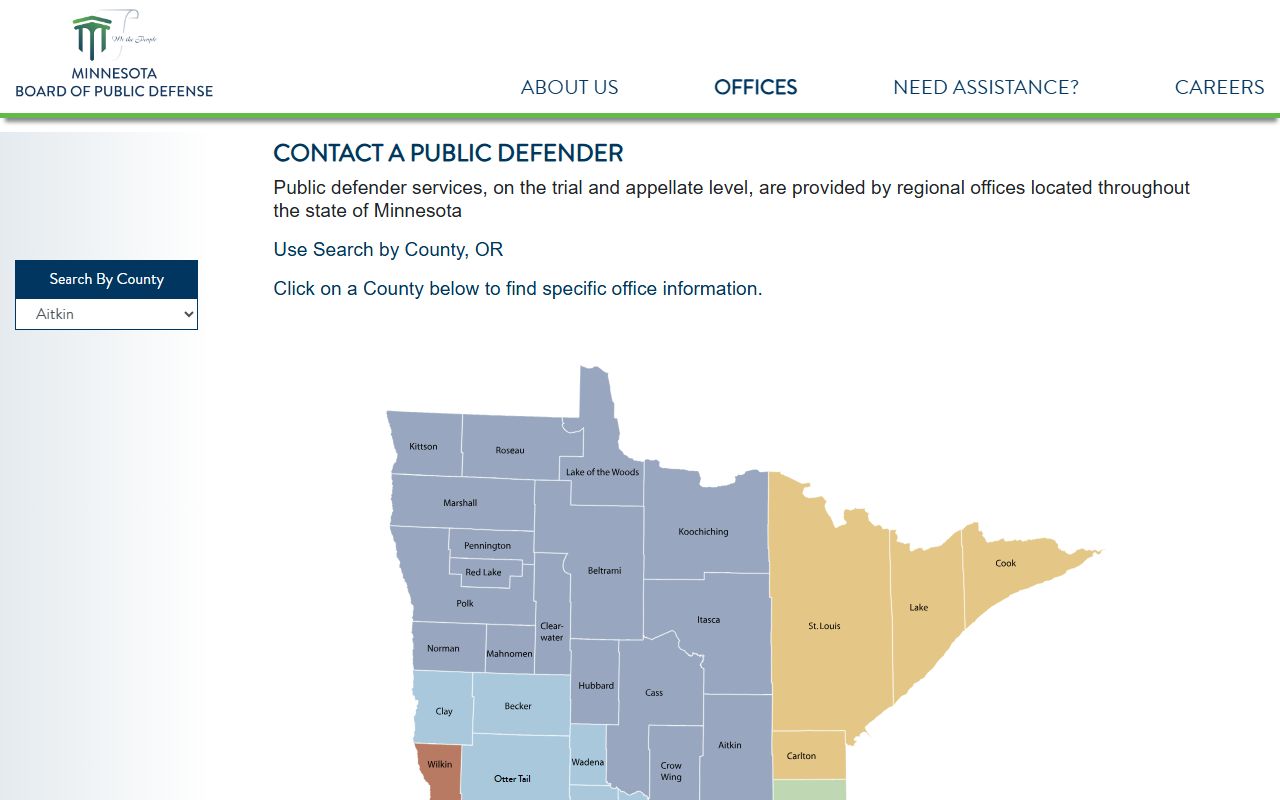
Public defense routing matters for charge records because eligibility for appointed counsel turns on the filed misdemeanor, gross misdemeanor, or felony exposure in court.
The Minnesota Judicial Branch public defender overview explains how defendants can ask for appointed counsel.
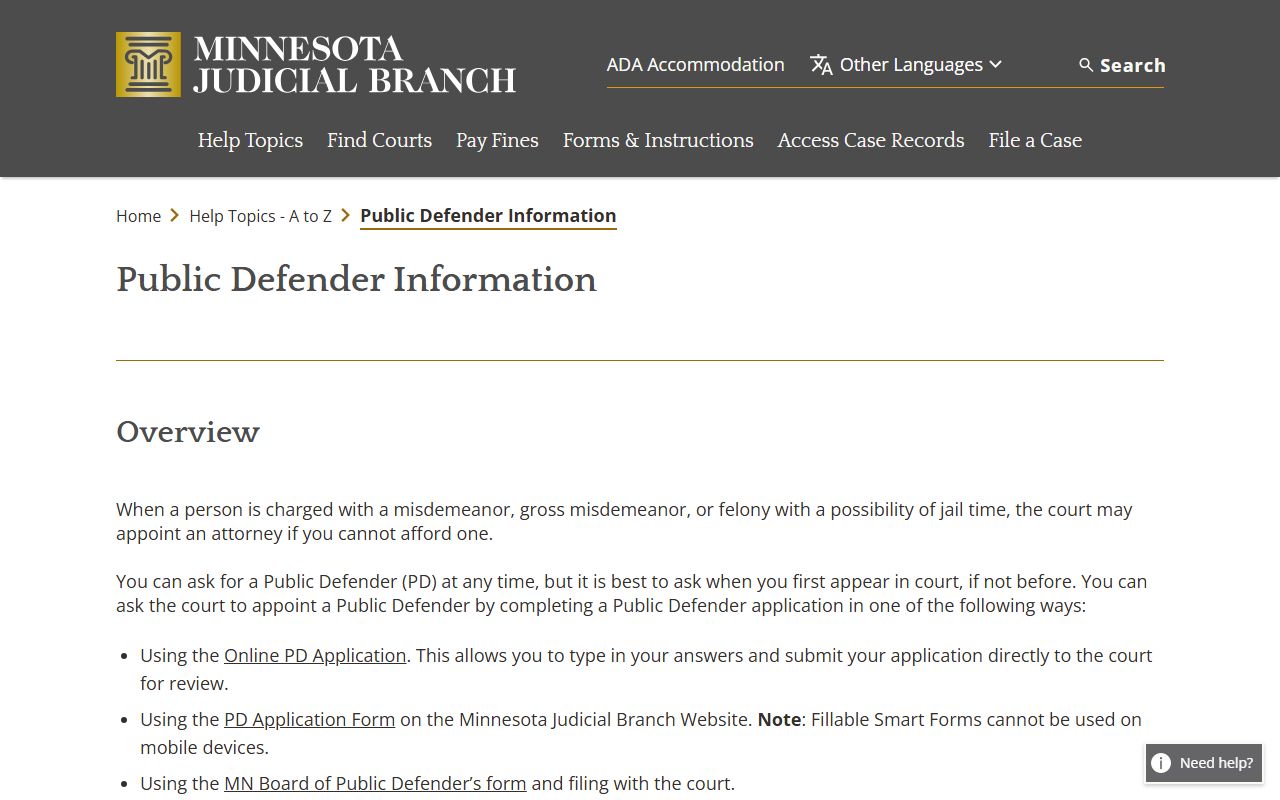
That application path is part of the practical charge process because the court charge, not just the arrest, controls whether possible jail time is at issue.
Complaint, Information, and Indictment Records
Pennington County research specifically describes the local charging document as a ticket or long-form complaint drafted by the County Attorney and filed with the court. Minnesota practice may use different charging instruments depending on the offense and procedure, but the local source should control the page language: the complaint or ticket is the ordinary source for the filed charge record. A charging document identifies the count, offense level, statute or offense description, and factual basis when public. It is different from the arrest report, which may remain with law enforcement and may include restricted investigative data.
| Complaint | Information | Indictment | |
|---|---|---|---|
| Filed By | Usually prosecutor based on law-enforcement referral | Prosecutor when permitted by procedure | Grand jury process |
| Pennington Use | Local research specifically describes a ticket or long-form complaint filed with court | Not separately documented in the Pennington research | Not separately documented in the Pennington research |
| Record Role | Creates or supports the court charge record | Would identify filed counts if used | Would identify returned counts if used |
| Where To Check | MCRO and District Court Administration | MCRO or court file if present | MCRO or court file if present |
The online public defender application is one official access path after a qualifying charge is filed.
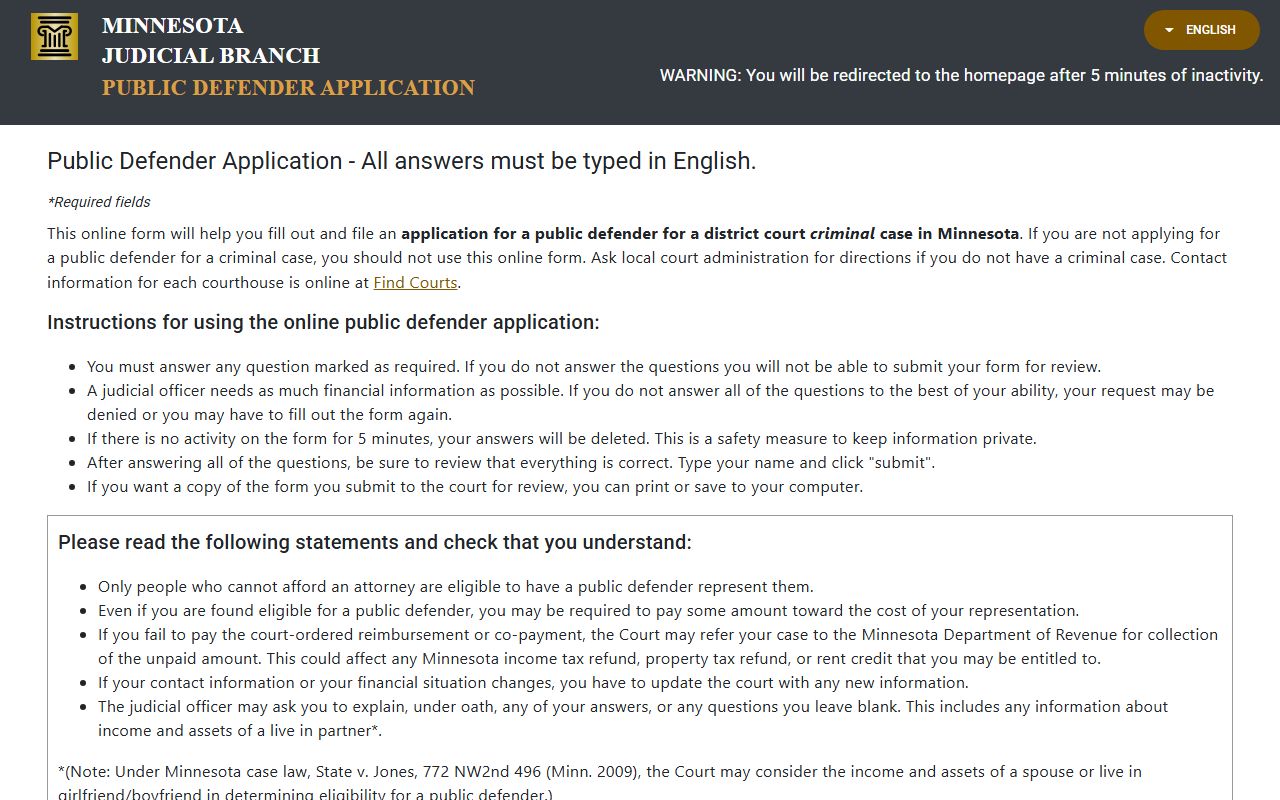
A person searching charges should remember that an application or court appointment issue follows the filed case, not merely the fact of booking.
Charge Status and What It Means
Charge status is the part of the court record that prevents a search result from being read too quickly. A charge may be pending at first appearance, amended before plea, dismissed by the court or prosecutor, or resolved by conviction. Pennington calendars show hearing labels such as omnibus, pretrial, first appearance, Rule 8 initial appearance, disposition, sentencing, review hearing, and probation violation hearing. Those events can explain why a charge still appears but no final conviction has been entered.
| Status | What It Means |
|---|---|
| Pending | The charge has been filed and remains unresolved in the court case. |
| Amended / Reduced | The prosecutor or court record changed the count, severity, or offense description before final disposition. |
| Dismissed | The charge is no longer being pursued in that case, but the historical docket entry may remain public unless sealed or expunged. |
| Convicted | The charge resulted in a guilty plea, guilty verdict, or other conviction entry followed by sentencing. |
| Probation Violation | A later proceeding alleges violation of sentence or release conditions, not necessarily a new arrest charge. |
Charges vs. Convictions
A Pennington County arrest record may show that a person was booked or held, and a court charge record may show allegations filed after that arrest. Neither should be treated as a conviction unless the disposition says so. A conviction appears after plea, verdict, or other adjudication and is followed by sentencing or conditions. Dismissed, amended, and acquitted counts still help explain the case history, but they should not be described as convictions.
| Charge | Conviction | |
|---|---|---|
| Stage | Accusation filed in court | Final guilt outcome entered by the court |
| Source | Complaint, citation, or charge list | Disposition and sentencing entries |
| Can Change | Yes, charges can be amended, reduced, or dismissed | Later relief may include appeal, probation review, or expungement |
Sealed vs. Expunged Records
Sealed and expunged records can remove arrest or charge information from ordinary public view. Minnesota uses petition-based expungement under Minn. Stat. Section 609A.03 and automatic Clean Slate expungement under Minn. Stat. Section 609A.015 for qualifying records. The court research notes that full expungement may seal court records and may order agencies such as law enforcement, prosecutors, and BCA to seal their records when statutory requirements are met. Public access can also be restricted for juvenile, domestic abuse, harassment, civil commitment, and protected personal data categories.
| Sealed | Expunged | |
|---|---|---|
| Visibility | Hidden from ordinary public search by law or order | Sealed from public access through petition or qualifying automatic process |
| Records Affected | May affect court or agency records depending on authority | May affect court, law enforcement, prosecutor, and BCA records if ordered or statutory conditions apply |
| Where To Ask | District Court Administration or the agency holding the record | District Court expungement process and BCA automatic-expungement notices where applicable |
Charge Codes and Severity Levels
The County Attorney page identifies four practical levels for Pennington County criminal charging. Petty misdemeanor carries a maximum $300 fine and is not considered a criminal charge. Misdemeanor carries up to 90 days and/or $1,000. Gross misdemeanor carries up to one year and/or $3,000. Felony includes possible imprisonment over one year. Court case numbers and charge entries should be read together with those levels because a single arrest can produce several counts at different severities.
Pennington case numbers observed in the court calendar use the Minnesota format with county number, case type, filing year, and sequence number. CR signals mandatory court appearance criminal cases, and VB signals non-mandatory violation-bureau matters. A charge lookup may therefore require both a name search and a case-number or citation-number search. If a warrant number resembles a CR or VB case number, cross-checking MCRO can show the underlying court case, hearings, and disposition if public.
The Minnesota DOC public viewer searches sentenced state prisoners and supervised offenders.
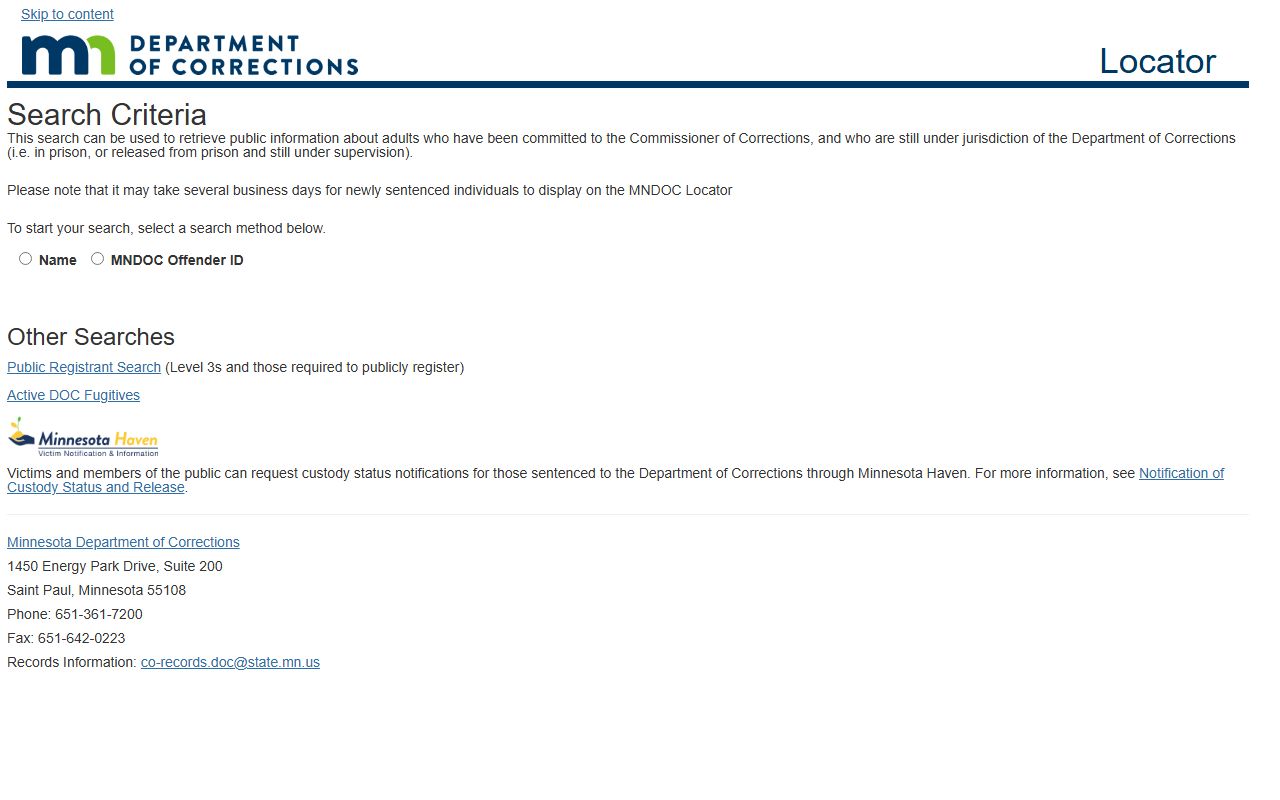
DOC data is useful after conviction or supervision, but it is not the same as the local Pennington arrest record or the District Court charge file.
The DOC search individuals and fugitives page explains DOC search paths for individuals, fugitives, and public notification records.
That statewide source can supplement a charge search when the person has moved from local court processing into state custody or supervision records.
The public predatory registrant search is a separate public notification tool.
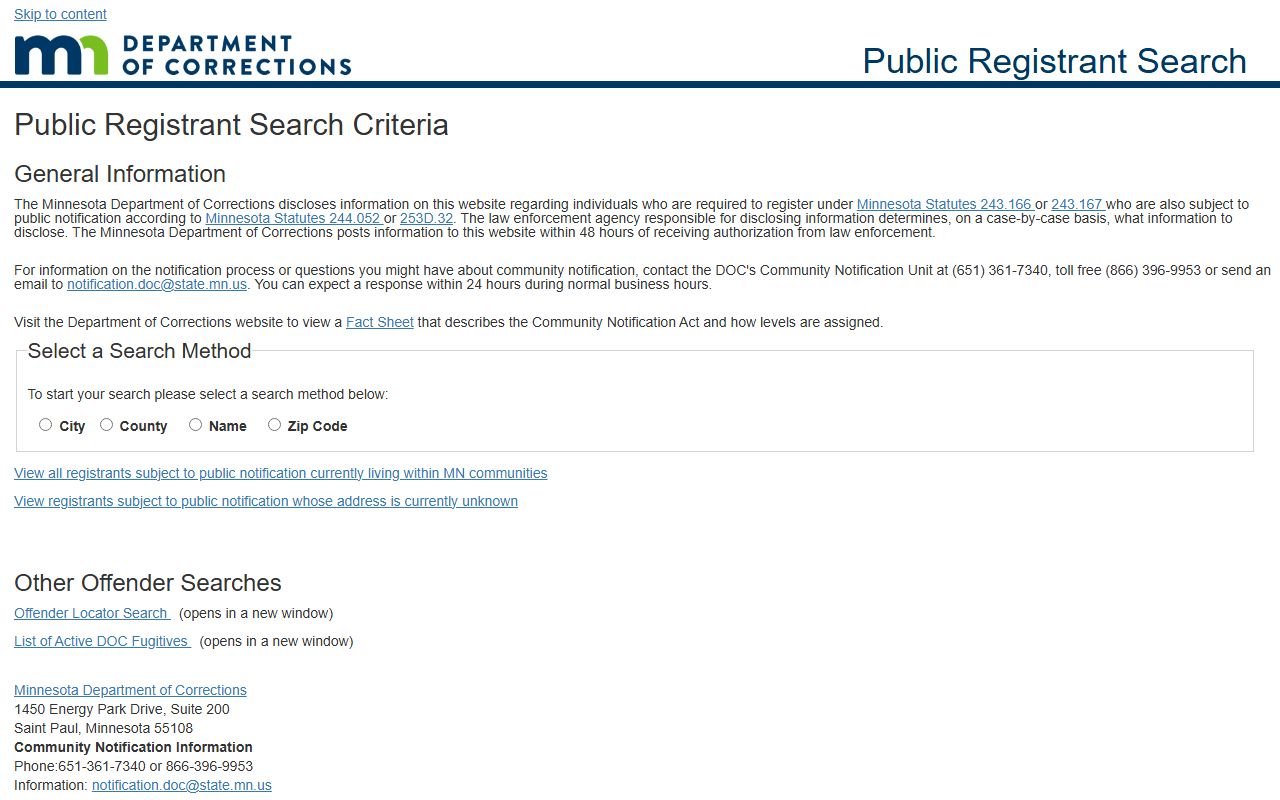
Registrant search should not be used as a substitute for court charges because it is limited to public-notification registrant data.
Statewide Charge and Criminal History Lookups
Minnesota BCA public criminal-history search is the statewide criminal-history channel identified in the research. It is governed by Minnesota's criminal-history data statute and is separate from the Pennington County District Court file. MCRO shows court case activity; BCA history summarizes qualifying criminal-history data; DOC systems show sentenced state custody or supervision; the Pennington jail roster shows local current custody. A complete review may require checking more than one system, then verifying official case results with Court Administration.
Background Check Considerations
Arrest and charge information can be incomplete, preliminary, or legally restricted. A booking does not establish guilt, and the Pennington inmate portal disclaimer warns that booking information should not be relied upon for legal action. A court charge is an allegation until the disposition shows conviction. For employment, tenancy, credit, insurance, or other regulated screening, use a compliant consumer reporting process rather than a casual public-record search.
Important: This website is not a consumer reporting agency and cannot be used for FCRA-regulated screening decisions.
Restricted Charge Records in Pennington County
Some charge-related records are not available remotely or publicly. Juvenile delinquency, child protection, domestic abuse order-for-protection, harassment restraining order, civil commitment, sealed, and expunged records are restricted categories in the research. Active investigative data may also be limited under Minnesota law-enforcement data rules. If a public case appears in MCRO but a document is missing, it may be too old for remote access, not available online, restricted, or obtainable only from District Court Administration. If arrest details are not in the court file, contact the Sheriff's Office for public data subject to statutory limits.